Biography
Daniel Hudson Burnham FAIA (September 4, 1846 – June 1, 1912) was an American architect and urban designer. A proponent of the Beaux-Arts movement, he may have been, “the most successful power broker the American architectural profession has ever produced.”
After unsuccessful attempts at entering Harvard and Yale, Burnham worked at the architectural firm of William LeBaron Jenney, L. G. Laurean, and then Carter, Drake, and Wight, where he future business partner John Wellborn Root.
Utilizing the “floating foundation” invented by his partner Root, the team would design and build several of the first American skyscrapers.
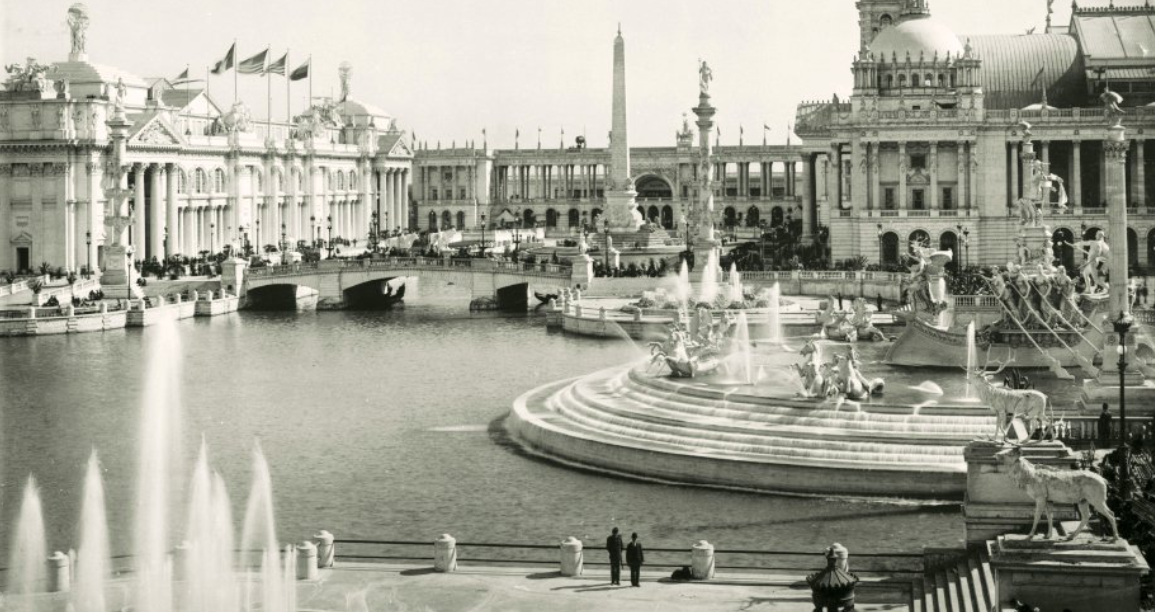
A successful Chicago architect, he was selected as Director of Works for the 1892–93 World’s Columbian Exposition in Chicago. The exhibition featured the “The White City” – a large group of highly ornamental temporary buildings innovatively spray painted with limewash for efficiency and design unity. For the design of the buildings, sculptures, and grounds for the event, Burnham organized what sculptor Augustus Saint-Gaudens called, “the greatest meeting of artists since the Fifteenth Century.”

Burnham also had prominent roles in the creation of master plans for the development of a number of cities, including plans for Manila, Baguio, downtown Washington, D.C., and the Plan of Chicago.
The Plan of Chicago was initiated in 1906 and published in 1909 by Burnham and his co-author Edward H. Bennett. This project introduced a radically humanistic vision for the future of the city. It was the first comprehensive plan for the controlled growth of an American city and an outgrowth of the City Beautiful movement. The plan included ambitious proposals for the lakefront and river. It also asserted that every citizen should be within walking distance of a park. Sponsored by the Commercial Club of Chicago, Burnham donated his services in hopes of furthering the project.

Building off plans and conceptual designs from the World’s Fair for the south lakefront, Burnham envisioned Chicago as a “Paris on the Prairie”. French-inspired public works constructions, fountains and boulevards radiating from a central, domed municipal palace became Chicago’s new backdrop. Though only parts of the plan were actually implemented, it set the standard for urban design, anticipating the future need to control urban growth and continuing to influence the development of Chicago long after Burnham’s death.
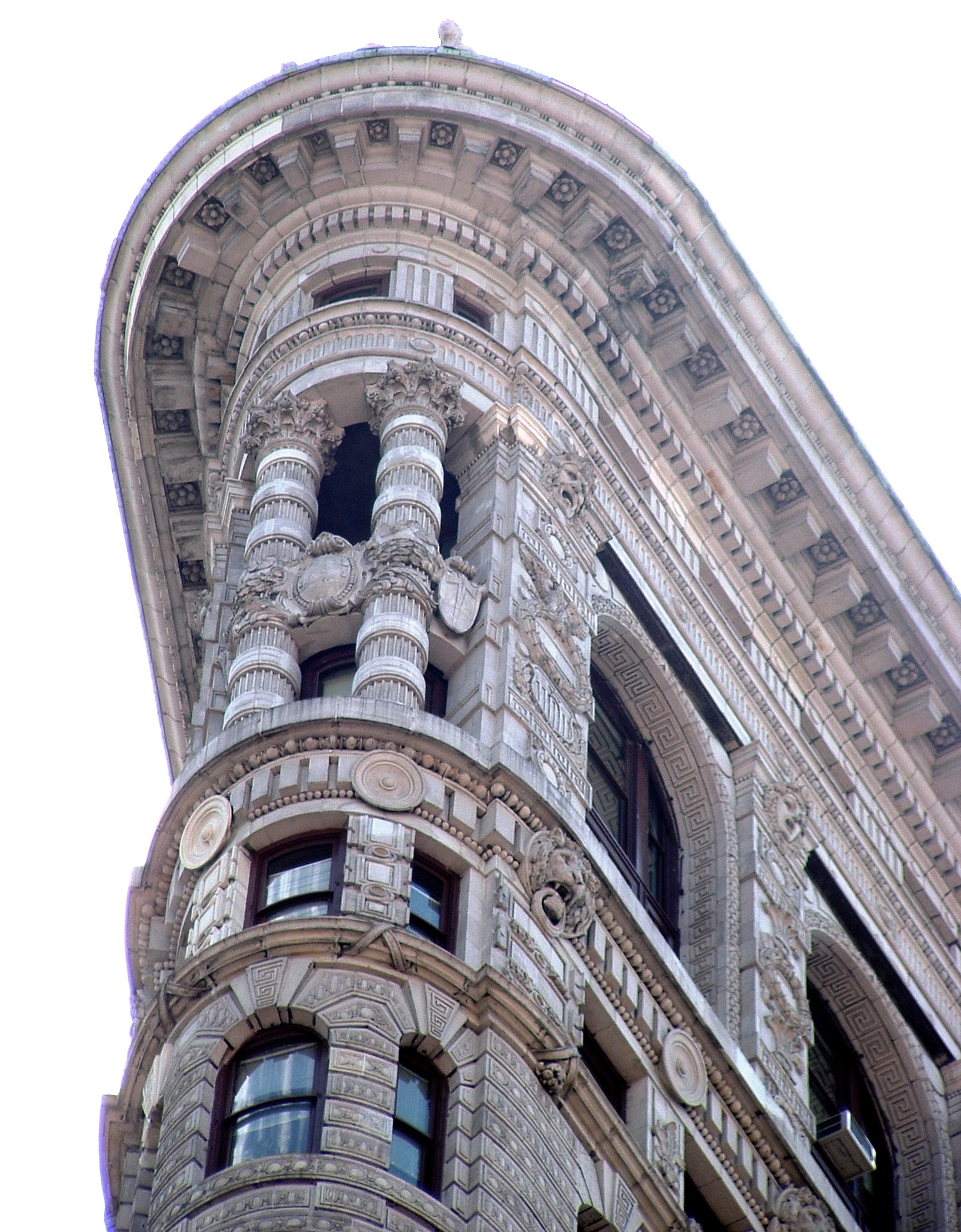
He also designed several famous buildings, including a number of notable skyscrapers in Chicago, the Flatiron Building of triangular shape in New York City, Union Station in Washington D.C., London’s Selfridges department store, and San Francisco’s Merchants Exchange.
Nationality:
American
Dates:
September 4, 1846 – June 1, 1912
Occupation:
Architect
Schools attended:
Taught at:
Student of / Worked for:
Carter, Drake and Wight, L. G. Laurean, William LeBaron Jenney
Teacher of:
Movement / Group:
Burnham & Root