Biography
John Hemenway Duncan (January 21, 1854 – October 18, 1929) was an American architect.
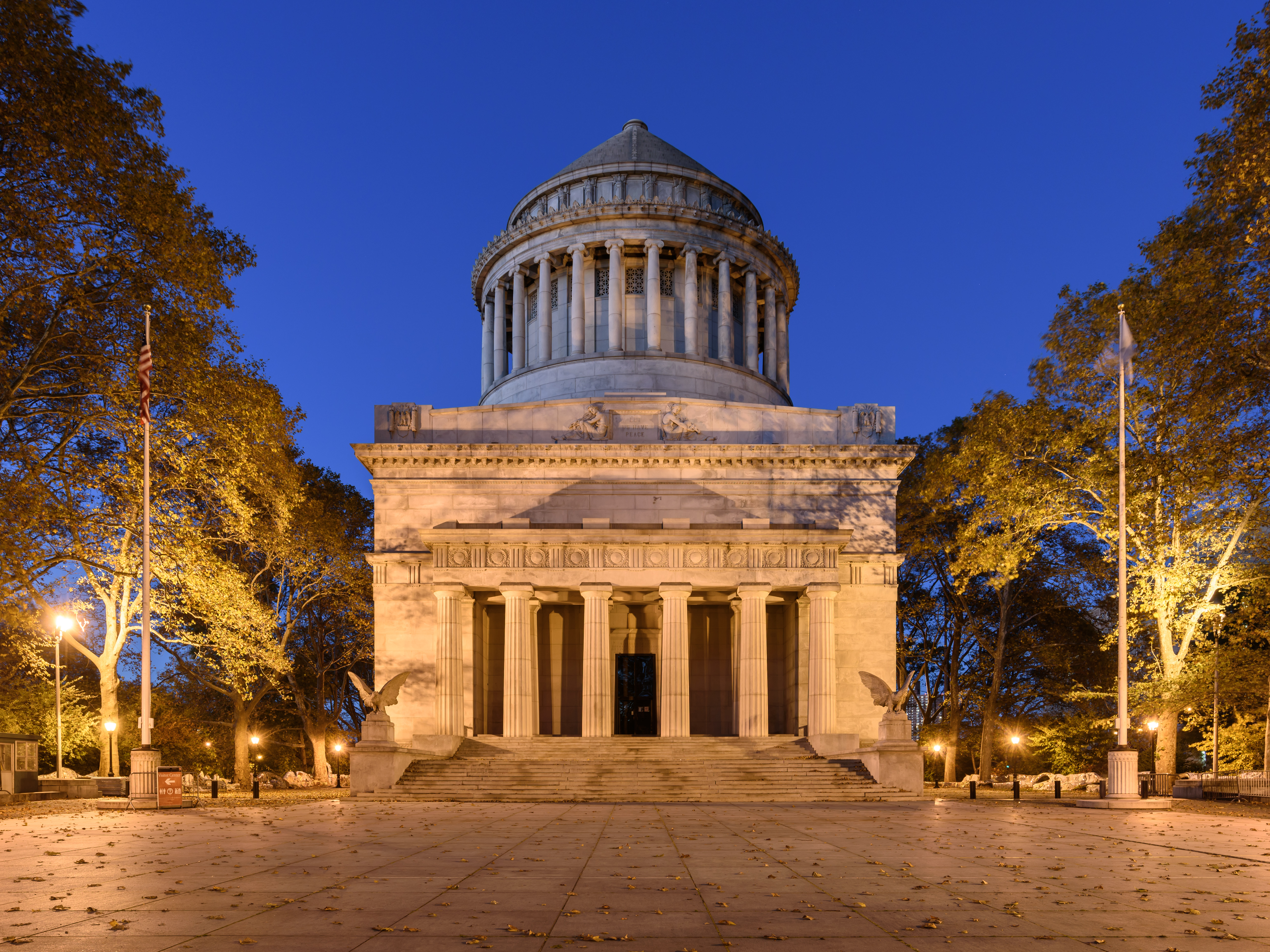
Duncan’s reputation was established ater being selected as the architect of Grant’s Tomb, a monumental structure reminiscent of the ancient Mausoleum of Halicarnassus.
Another of Duncan’s most famous works is the Soldiers’ and Sailors’ Arch in Grand Army Plaza in Brooklyn, New York, based closely on the Arc de Triomphe in Paris.

Duncan also contributed townhouses on Manhattan’s Upper East Side, including 21 East 84th Street, and 1132 and 1134 Madison Avenue, still intact today with much of the original interior and exterior. They are done in the English terrace style as groupings of jointly designed townhouses with classical elements including Greek columns and ornamental friezes.

In 1899, Duncan designed a five-story limestone mansion for Philip Lehman at 7 West 54th Street, which was designated as a New York City landmark in 1981.
He also designed Walhall, an estate in Greenwich, Connecticut. Although the main house no longer exists, an outbuilding intended for the superintendent still exists and is a private residence today.
Nationality:
American
Dates:
January 21, 1854 – October 18, 1929
Occupation:
Architect
Schools attended:
École des Beaux-Arts
Taught at:
Student of / Worked for:
Teacher of:
Movement / Group:
Beaux-arts