Biography
William Rudolf O’Donovan (March 28, 1844 – April 20, 1920) was an American sculptor.
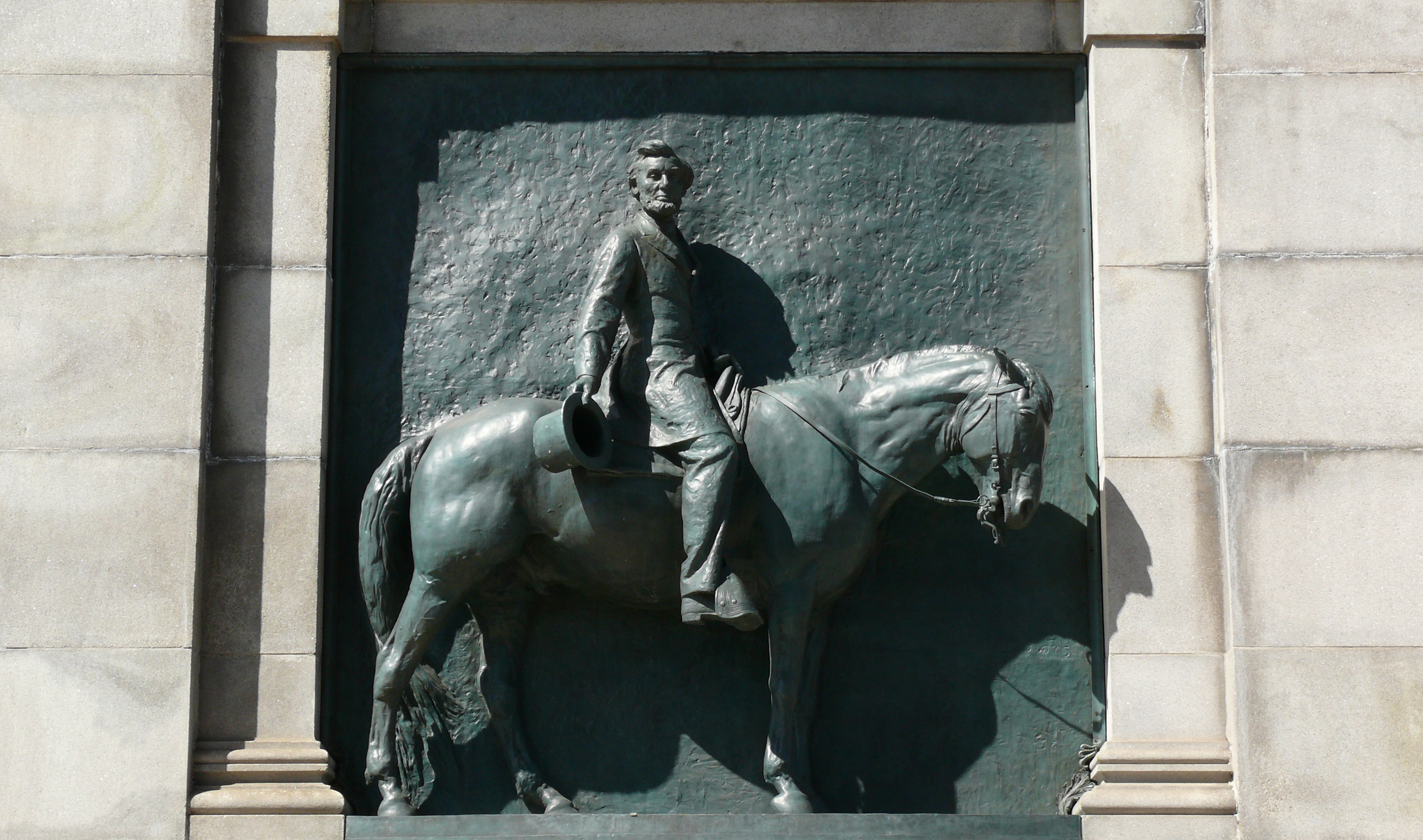
O’Donovan was born in Preston County, Virginia (now West Virginia). He was self-taught as a sculptor. After the Civil War, in which O’Donovan served in the Confederate army, he opened a studio in New York City and became well known as a sculptor, especially of memorial pieces.
In 1878, O’Donovan become an associate of the National Academy of Design. George Washington was a favorite subject of his, and he published a series of papers on Washington portraits. During the 1870s and 1880s he collaborated with Maurice J. Power, politician, sculptor and owner of the National Fine Art Foundry producing many works of public art.
An affable man known for his naturalistic portraits, O’Donovan was at the epicenter of the New York art world in the 1870s. He worked in the Tenth Street Studio Building, a locus for both older conservative and younger progressive artists. He was also one of the earliest members of the Tile Club, a group founded in 1877 ostensibly to paint decorative tiles, but mainly for camaraderie.
O’Donovan exhibited at the establishment National Academy of Design and the Society of American Artists; he was elected to membership in each organization, testament to his knack for navigating differing artistic spheres.
Source: metmuseum.org/art/collection/search/11664
Nationality:
American
Dates:
March 28, 1844 – April 20, 1920
Occupation:
Sculptor
Schools attended:
Taught at:
Student of:
Teacher of:
Group / Movement:
National Academy of Design, Society of American Artists, The Tile Club