Image credit: Yale University
Isaac Newton once wrote, “if I have seen further [than others], it is by standing on the shoulders of giants.” A few years ago, a professor at Yale University took this to heart.
Irwin M. Braverman, M.D. had noticed the declining observation skills in his students and realized that they needed to develop the same habits as those who had gone before them.
…physical diagnosis requires more than a glance. According to Braverman, doctors today spend only a short amount of time actually looking at their patients, relying instead on tests and numbers. The more time a doctor spends with a patient, the more likely they are to notice something that tests would miss. “I tell the students, if someone hadn’t been making independent observations in every generation, we would be practicing medicine like Hippocrates,” he said.
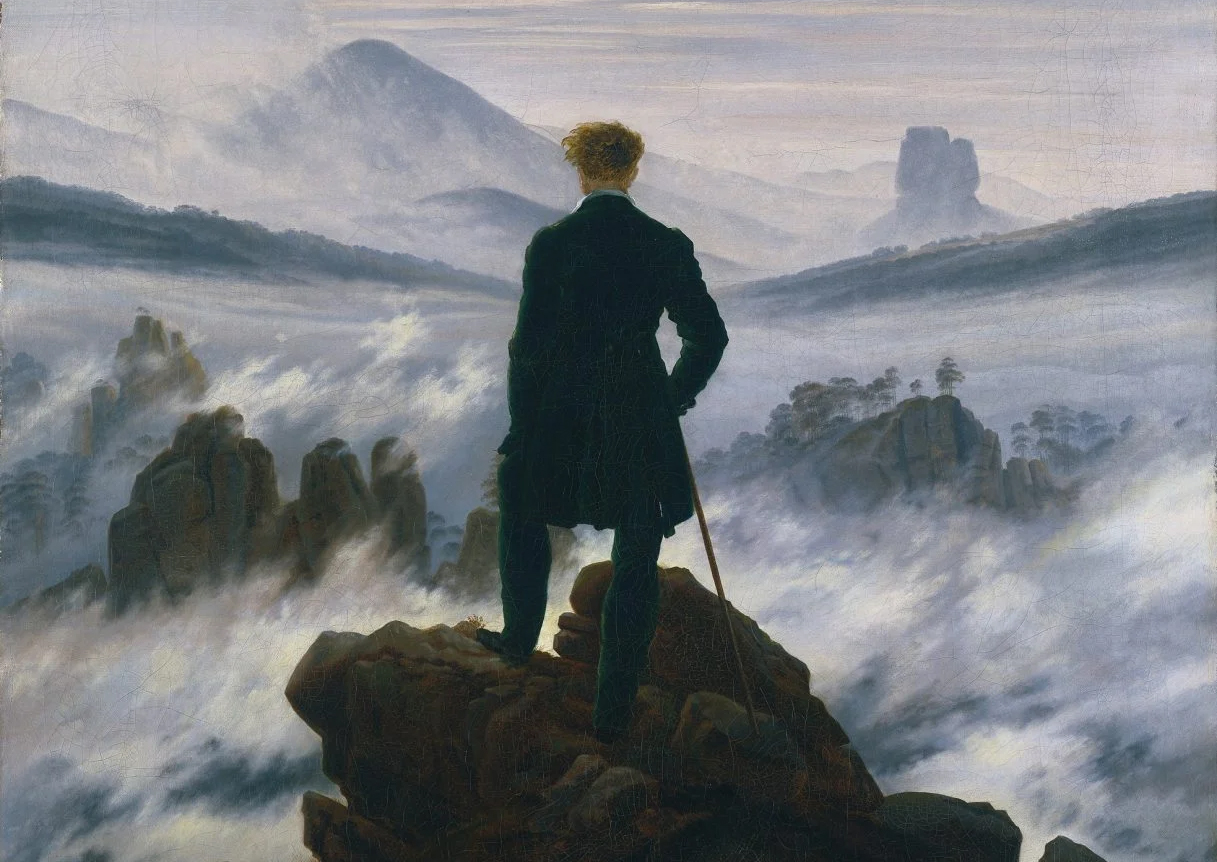
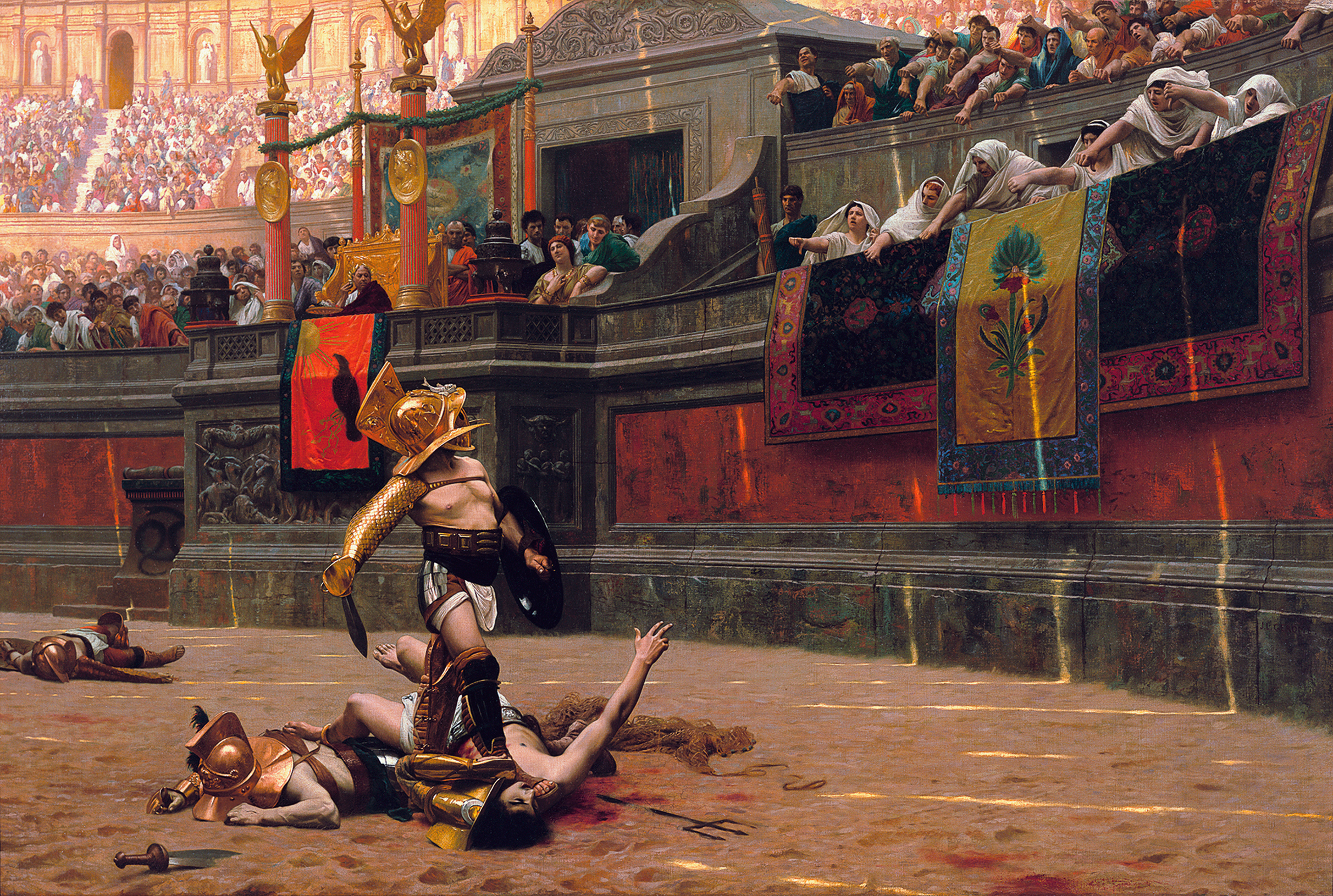
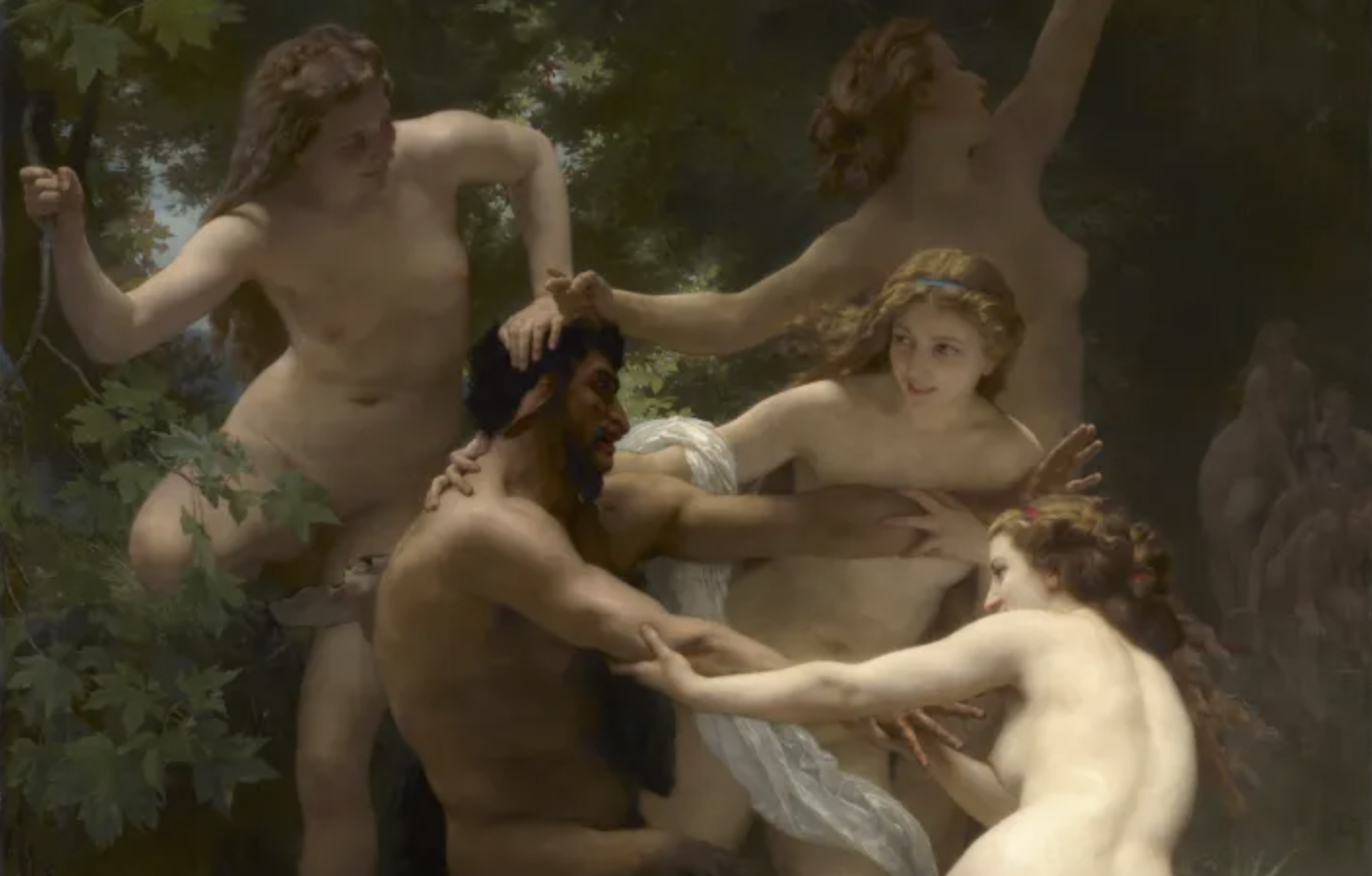
It takes years of careful work to develop the keen observation skills needed. He felt the best way to jump start the habit of careful, in-depth observation was through requiring his students to engage with something both unfamiliar and full of detail: 18th and 19th century paintings.
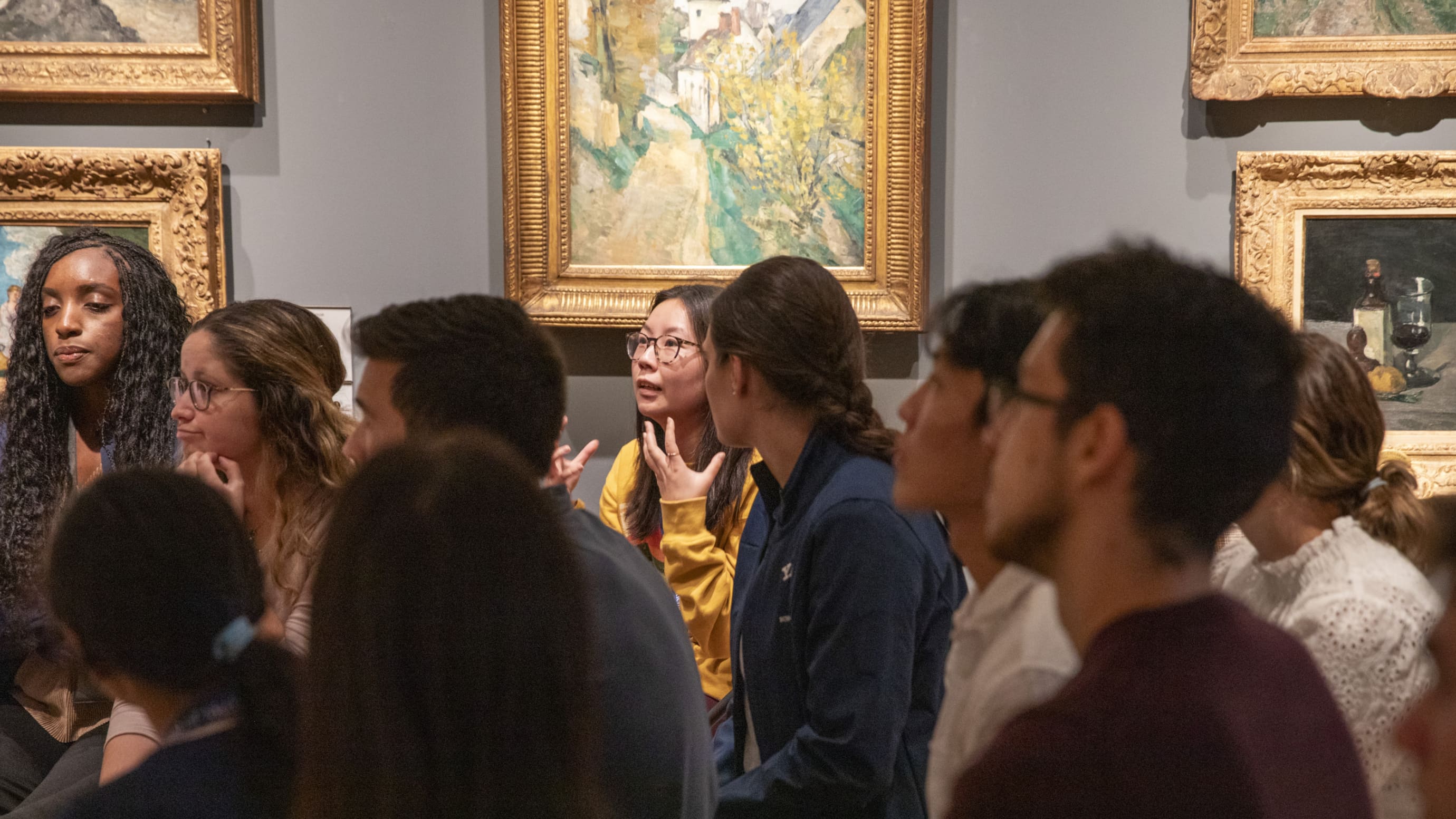
The idea to use works of art to practice observation skills first occurred to Braverman at grand rounds in 1998, when he noticed the dermatology residents weren’t describing what they saw on patients as thoroughly as they should. “It occurred to me that if I were to ask them to describe some object that they were totally unfamiliar with‒like a painting‒they wouldn’t know what was important or unimportant. They would describe everything in that object,” said Braverman. He worked with Linda Friedlaender, curator of education at the center, to develop the program for medical students.
The mandatory class Braverman created alongside the curator asks students to spend 15 minutes just observing to gather as much information as possible, then discuss as a group what they’ve found.
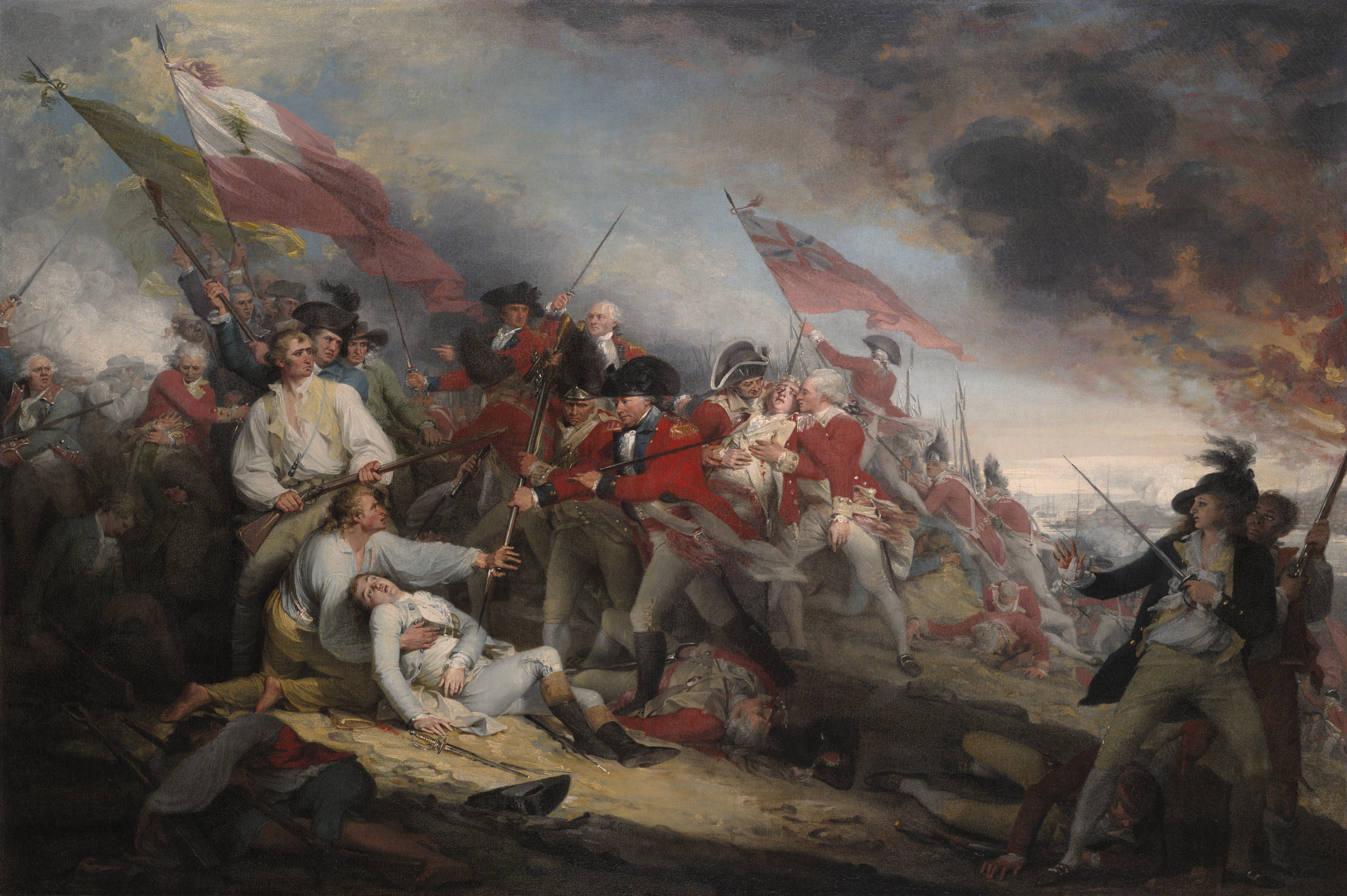
Braverman explains that 18th- and 19th-century British paintings are perfect for this exercise because many tell a story about a real historical event, but like a patient with unexplained symptoms, they often contain ambiguous or contradictory information. “Students always realize that on first view they think something’s happened and 10 or 15 minutes later they think it’s quite different,” says Mona Pierpaoli, a museum guide who has taught the course alongside Braverman for the past 10 years.
The program reinforces the importance of slowing down to make close observations that only reveal themselves with time and familiarity. It is illuminating to see that 18th- and 19th century British paintings in particular were chosen, since they have the kind of narrative legibility that is needed to add up to an event that can be identified, described, and interpreted.
The choice of observing this kind of art makes sense, as it was created by artists who themselves learned close observation skills by long practice. In both fields, close, careful observation had been on the decline, but today it is making a resurgence.
In the field of visual art, the atelier movement has reintroduced methods that were at the core of fine arts training in the 19th century. The result is a new generation of gallery artists who understand the scientific approach to creating images that capture more of reality than even photography can. This is a close parallel to Braverman’s statement above about the inadequacy of reliance on tests and numbers. Getting the real, vital information requires familiarity, and like today’s atelier students, Braverman’s students are finding success.
According to one study published in the Journal of the American Medical Association in 2001, the workshop demonstrably improves students’ abilities to pick up on important details by almost 10 percent. The course, which is mandatory, has been so successful at Yale that since 1998, when it was offered for the first time, more than 25 medical schools from all over the world have established similar programs.


Leave a Reply