As works finally surface from under the U.S. Copyright Term Extension Act, here are a few words about use, credit, and creativity.
Misconceptions about Copyright.
From the time I expressed a desire to draw, I remember many misguided ideas about copying artwork. I received warnings and admonitions from every imaginable quarter: fellow schoolchildren, teachers, copy center employees, librarians. The underpinnings of all of this rhetoric, for the student, I now know to be false:
- It is prohibited and unethical to make photocopies of existing artworks.
- It is prohibited and unethical to draw, paint, or sculpt from existing artworks.
- It is undesirable to learn from the works of others, you must be original from the first time you lift a pencil or a brush.
Students should freely copy anything for their studies. (Selling the studies is a different matter when source material falls under copyright laws.) It is a shame to discourage and scare aspiring artists, and I suspect much of it was to pass the buck instead of being responsible educators.
I have witnessed people so twisted up by this rhetoric that I have been refused access to copy services for my own original drawings…
For a while, the rhetoric about originality and threats about copyright definitely impeded my exploration of drawing and design, but only for a while. Soon, I realized I could simply copy them for myself and hang them on my own walls. I was going to learn one way or the other, and figure out the business side once I had something to offer.
The upshot is that it is a shame to discourage students from learning, and it is damaging to require a schoolchild to covet “originality” before he or she can even draw.
Who, What, and Why You Should Copy
It is in the spirit of forging a better path that I encourage anyone using this site to use freely the public domain works represented here for your own art practice. Draw, paint, and sculpt all the copies you want. We deliberately include large format images for just that purpose.
Let us usher in this banner year for the public domain by setting some new ground rules for learning art, all of which I believe in wholeheartedly:
- Find the best artists, and copy them, but don’t stop there.
- Study what your heroes studied, learn their methods, and find their sources.
- Learn who your heroes’ heroes are, and repeat the process.
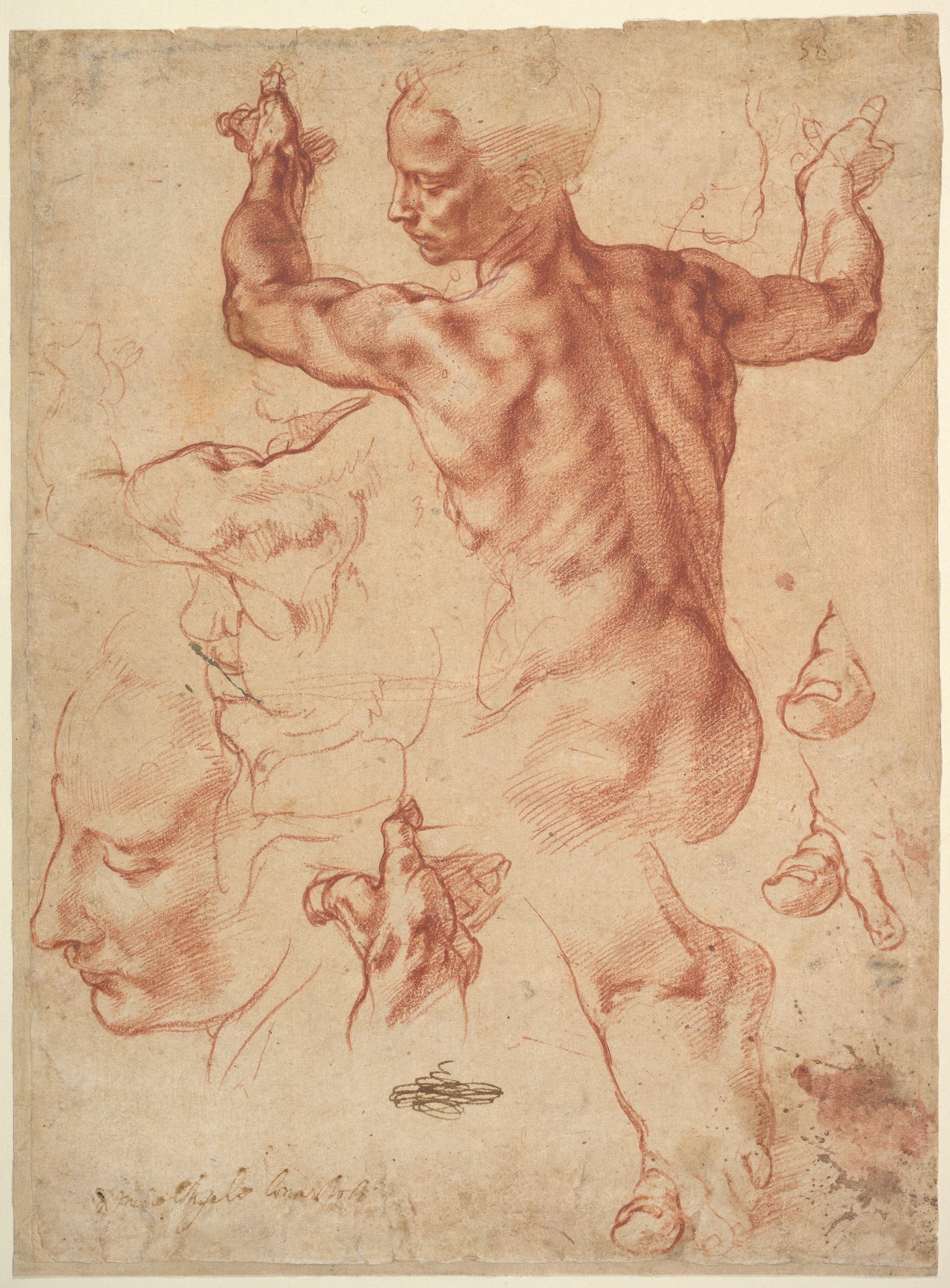
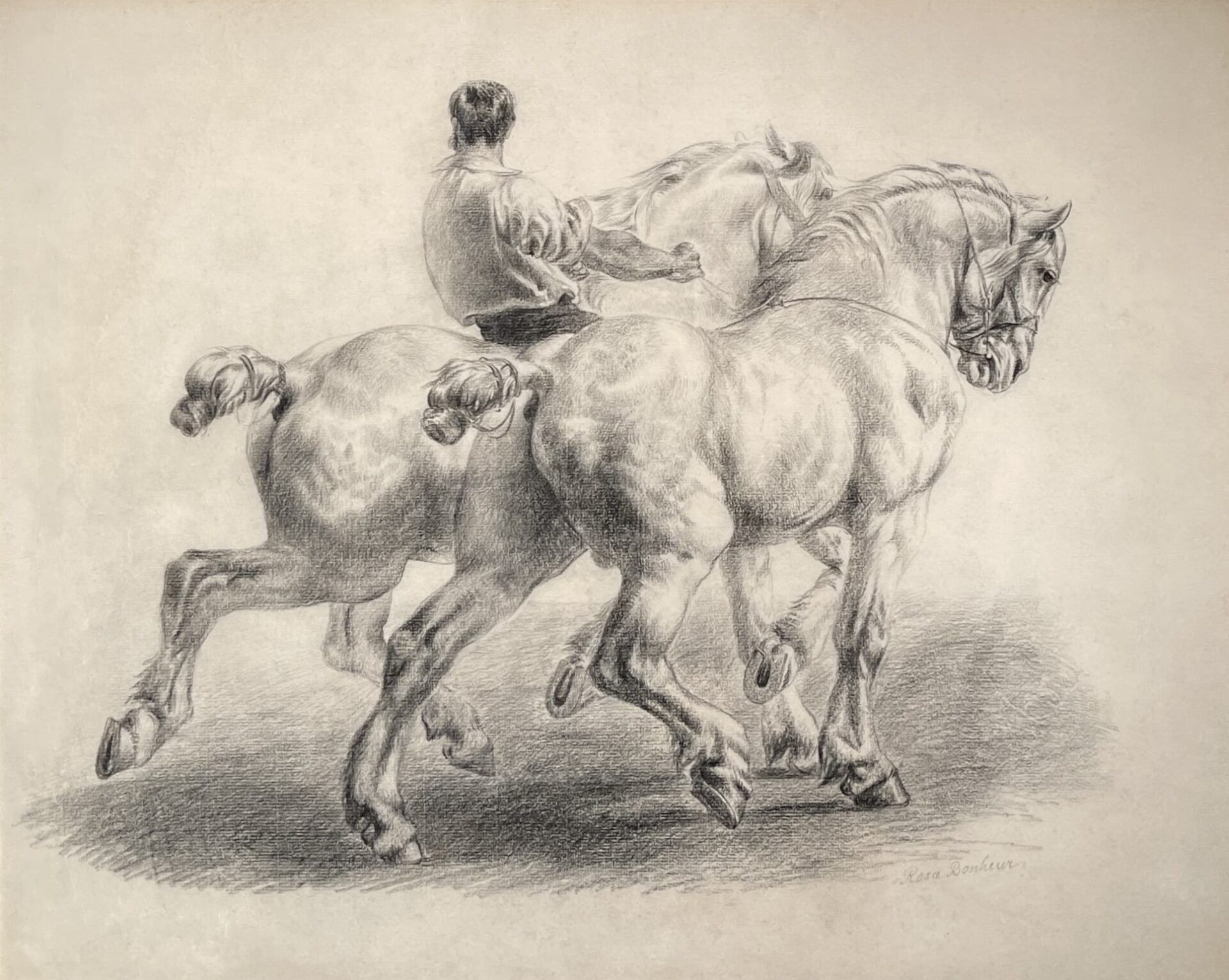
- Give credit where credit is due. Public domain or not, if you copy a work, say so. When you make a copy of this gorgeous drawing shown above, sign it, then include the phrase “after Michelangelo Buonarroti”
Fortunately, learning in this way only takes a couple of generations before everything you’re looking at is in the public domain. Throughout history, master artists have learned from copying those who came before them.
Creative media is so pervasive in society that exposure to it is nearly impossible. Therefore, deliberate avoidance of developing skills through imitation is nothing more than willful ignorance, and only damages and hinders the development of an artist.
The goal is not mimicry, but building upon and reimagining what came before. After all, nothing is new under the sun. Walt Disney himself was a master at channeling and reinterpreting the old stories, settings and characters that reach us and inspire us. Most of the golden age Disney characters existed in some form long before they became animated characters.
In turn, entire generations of people that have taken inspiration from Disney’s productions should be able to learn how they are done and to create in the same way.
To celebrate the Mickey Mouse of Ub Iwerks as appearing in Steamboat Willie now finally joining the public domain, here is a list of important intellectual properties that have joined him in recent years:
(nota bene: not all of these are for kids)
Famous Public Domain Characters
Peter Pan, as written in plays and novels by James M. Barrie
- Peter Pan, or The Boy Who Wouldn’t Grow Up (1904)
- Peter Pan in Kensington Gardens (1906)
- Peter and Wendy (1911), illustrated by F. D. Bedford
Winnie-the-Pooh, as written by A. A. Milne and illustrated by E. H. Shepard
- When We Were Very Young (1924)
- Winnie-the-Pooh (1926)
- Now We Are Six (1927)
- The House at Pooh Corner (1928)
Snow White (Brothers Grimm)
Sleeping Beauty (Charles Perrault)
Cinderella (Charles Perrault)
Gulliver (Jonathan Swift)
Pinocchio (Carlo Collodi)
Alice in Wonderland (Lewis Carroll)
The Little Mermaid (Hans Christian Andersen)
Beauty and the Beast (Gabrielle-Suzanne Barbot de Villeneuve)
Aladdin (Middle-Eastern folk tale)
Rapunzel (Brothers Grimm)
The Sorcerer’s Apprentice (Johann Wolfgang von Goethe)
Many of these characters and stories are much older, but I’ve given the modern versions that were the most likely source material. In fact, here’s a more comprehensive list of stories and characters that predate Disney’s versions.
Other Works and Characters1
- Tarzan
- Sherlock Holmes
- Frankenstein’s Monster
- All Quiet on the Western Front, novel by Erich Maria Remarque
- Lady Chatterley’s Lover, novel by D. H. Lawrence
- The Great Gatsby, novel by F. Scott Fitzgerald
- It’s a Wonderful Life (1946) film starring Jimmy Stewart and Donna Reed
- Night of the Living Dead (1968) film: George Romero’s indie horror masterpiece
- The Lady Vanishes (1938) film directed by Alfred Hitchcock
- Nosferatu (1922), the original vampire movie
- The Cabinet of Dr Caligari (1920), film
- The Battleship Potemkin (1925), film
- The General (1926), film starring Buster Keaton
Here are some set to enter public domain in the next decade:2
- 2025: Pluto
- 2029: Donald Duck
- 2033: Superman
- 2033: Characters from J. R. R. Tolkien’s The Hobbit
- 2034: James Bond
- 2034: Batman
The Catch
Of course, there are limitations. Essentially, you can’t pose as the holding company who controls related copyrights and you can’t use iterations of the character newer than 95 (!!!) years old. Basically, our illustrious copyright laws ensured that no one living would remember the versions of major IPs that are now entering the public domain. They’ve received their reward in full.
Absolutely Free Public Domain Art, Literature, Films, and Audiobooks
There are repositories of free media all over the web, and some are more user-friendly than others. Here is a very short list that may just change your life, or, at least, your reading habits. Links open in new tabs:
- The Internet Archive archive.org
Internet Archive is a non-profit library of millions of free books, movies, software, music, websites, and more. They offer loans of digital books and open access to public domain works. The Wayback Machine archives hundreds of billions of web pages, allowing you to find pages that are otherwise irretrievable. - Librivox librivox.org
Librivox is a collection of public domain audiobooks read by volunteers. Most are in English, but there are many in other languages as well. The quality is variable, but many books that are popular with literary types attract good readers, such as those by the Brontë sisters, Jane Austen, Charles Dickens, Edgar Allan Poe, Mark Twain, and many others. - Wikimedia Commons commons.wikimedia.org
The Wikipedia family of web resources isn’t just for book reports. Wikimedia Commons is, as of this writing, a collection of over 100 million freely usable media files to which anyone can contribute. Searching an artists name, or a famous person, place, thing, or event often turns up many high resolution images. - YouTube youtube.com
Many public domain films are posted here in higher resolution than on the Internet Archive. Other public domain media resources are reposted here from Librivox as well, taking advantage of YouTube’s user-friendly interface and cross-device compatibility.
Neither the above article nor any other content on this site is intended to provide legal advice.

Leave a Reply