
The Orient – including present-day Turkey, Greece, the Middle East, and North Africa— inspired Western artists for centuries. But it was Napoleon’s conquest of Egypt in 1798 that prompted a fervor for exotic distant lands that would shape the aesthetic sensibilities of Europe for decades.
The exhibition Orientalism: Between Fact and Fantasy traces Islamic works of art to European dealers, collectors, international expositions, and museums, which in turn introduced a new visual language to artists, architects, and designers.
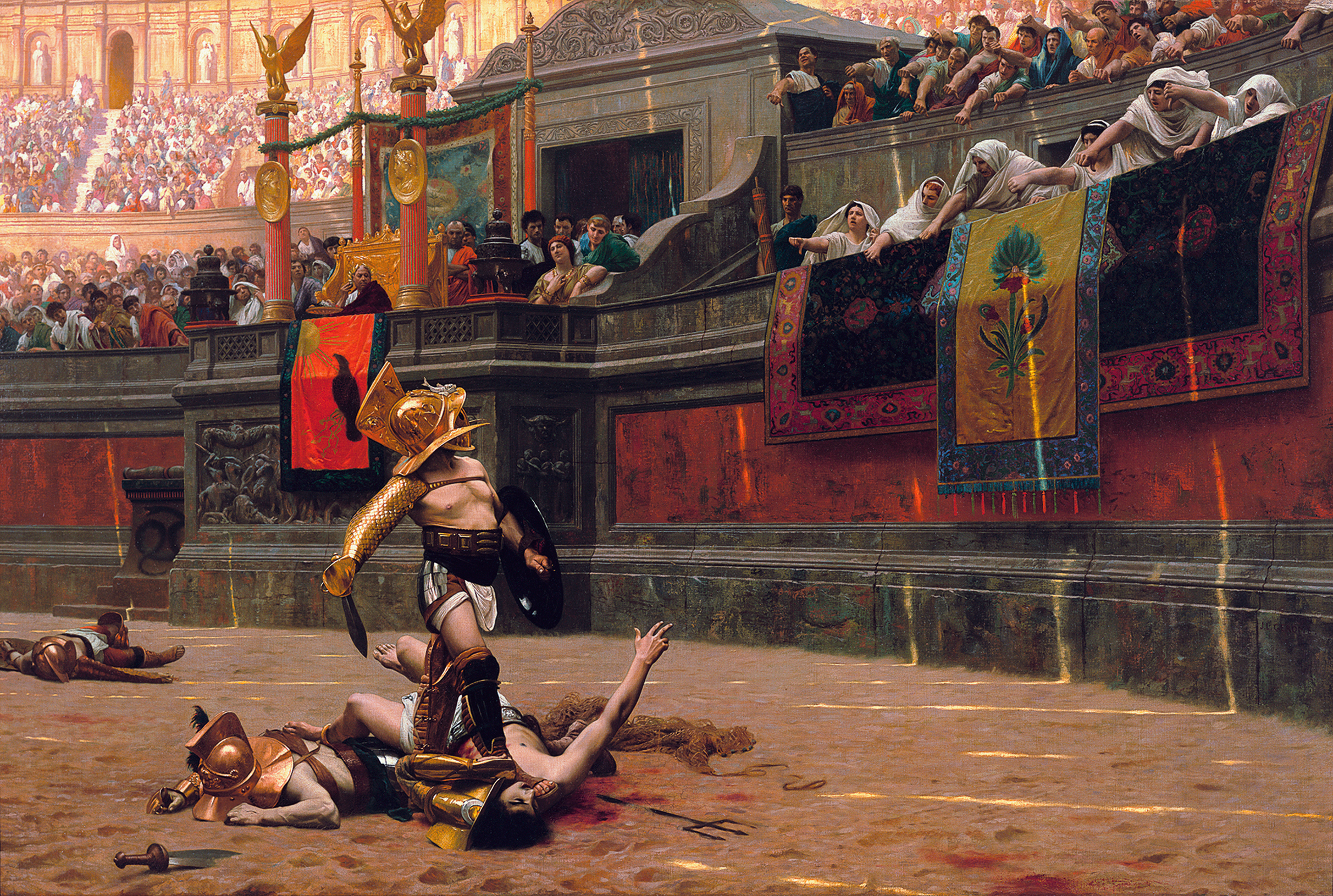
Deep admiration for the visual language of Islamic art led artists to transform architecture and design in Europe and America. Jean Auguste Dominique Ingres and Jean-Léon Gérôme visited lands and people across the Mediterranean or imagined them from afar, drawing on firsthand observation and their own collections of Islamic objects to stage their paintings.
The first exhibition at The Met to explore Orientalism as its central focus, presents easel paintings, drawings, photographs, illustrated books, architecture, arms and armor, textiles, garments, glassware, ceramics, and metalwork. The majority of objects are from the extensive collection at The Met alongside loans from the U.S. and abroad, displayed across four galleries that straddle the departments of European Paintings and Islamic Art.
The exhibition runs through February 28, 2027.
About the image: Bashi-Bazouk by Jean-Léon Gérôme
One of the most striking Orientalist images in the Met permanent collection is Bashi-Bazouk (1868-1869) by Jean-Léon Gérôme. Gérôme made this work after returning to Paris from a twelve-week journey to the Near East in 1868; he dressed a model in his studio with garments and accessories he had acquired abroad. The artist’s title—which translates as “broken-head”—refers to the poorly-paid mercenaries under Ottoman leadership who fought ferociously as soldiers of fortune seeking plunder. The sitter’s dignified appearance is elevated by Gérôme’s virtuosic treatment of sumptuous textures in the handles perhaps of bone or ivory, the bright silk tunic, and the richly dyed contrasting fabrics of the head wrappings.


Sources:
“Exhibition: Orientalism: Between Fact and Fiction,” The Metropolitan Museum of Art, https://www.metmuseum.org/exhibitions/orientalism-between-fact-and-fantasy
Jennifer Meagher, “Orientalism in Nineteenth-Century Art,” The Metropolitan Museum of Art, https://www.metmuseum.org/essays/orientalism-in-nineteenth-century-art. October 1, 2004.
“Bashi-Bazouk,” The Metropolitan Museum of Art, https://www.metmuseum.org/art/collection/search/440723

Leave a Reply